
Garden Terrace Loop for Gentle Strolls
A 2km easy walk through the formal gardens. Perfect for those who prefer a slower pace. Includes rest spots and highlights of the estate's architecture.
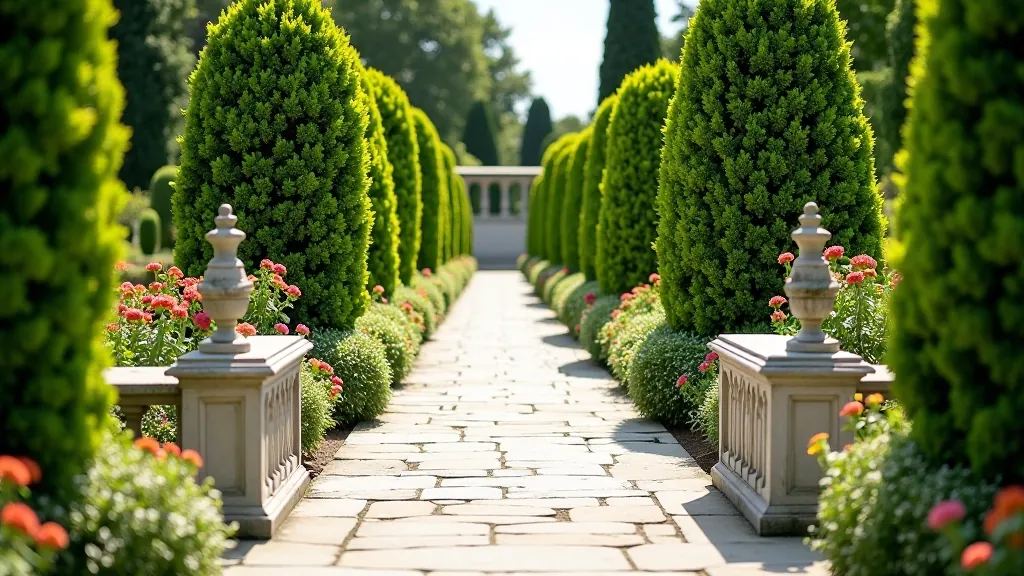
Why Choose the Garden Terrace Loop?
The Garden Terrace Loop isn't just a walk — it's a journey through 200 years of landscape design. You'll discover how each garden room was planned to reveal new perspectives, architectural details, and quiet spots perfect for reflection.
What makes this route special is its flexibility. You're never far from a bench. The paths are well-maintained stone, so you don't need specialist footwear. Most importantly, there's no pressure to rush. We've designed this walk so you can move at your own pace, stop whenever something catches your eye, and spend as long as you'd like in each garden area.
The Route: What You'll See
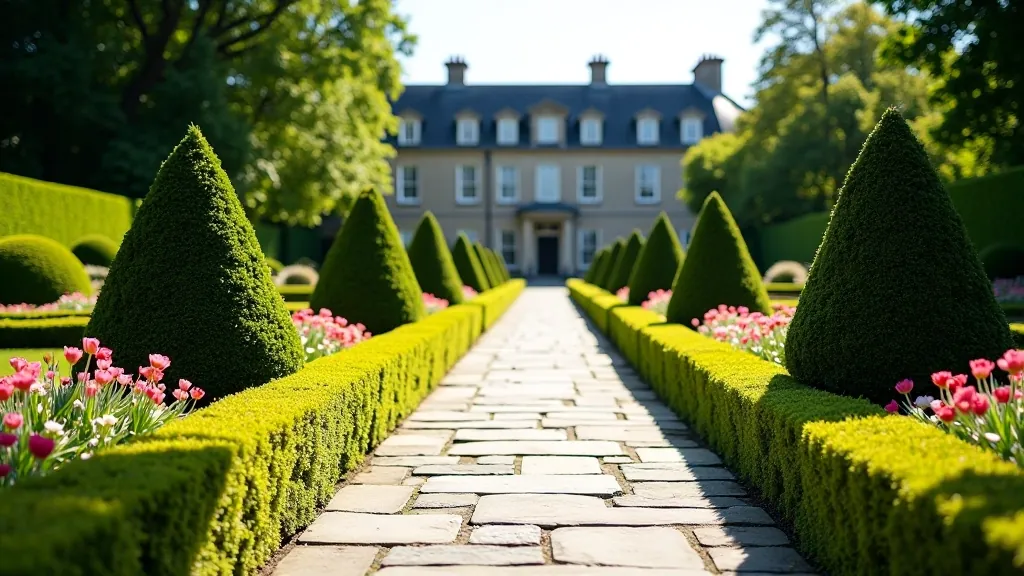
Starting from the main terrace, the loop takes you through seven distinct garden areas. It's roughly 2 kilometres, which takes most people about 90 minutes at a comfortable pace. But here's the thing — if you want to spend two hours or three hours, the route works perfectly well either way.
You'll walk past the Italian Garden with its geometric stone work, through the Japanese Garden section (don't miss the small bridge), and into the sheltered Herbaceous Garden. Each transition is gradual. There's no steep climbs. You're never more than 50 metres from a seating area.
Key Garden Sections
- Italian Garden — stone terraces and symmetrical plantings
- Japanese Garden — bridge, water features, quiet reflection spaces
- Herbaceous Garden — seasonal colour, fragrant borders
- Rose Garden — protected south-facing walls
Rest Spots and Planning Your Stops
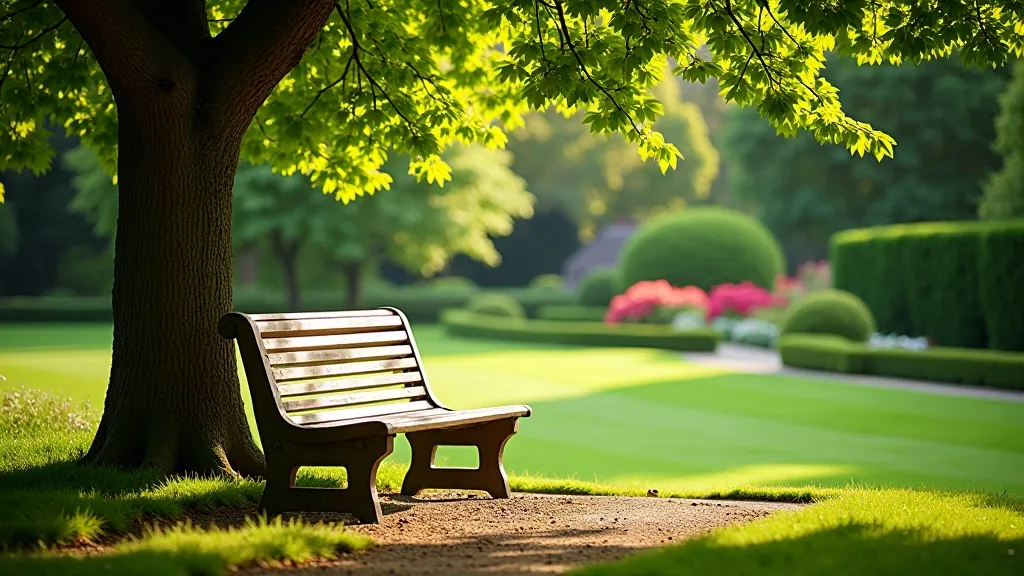
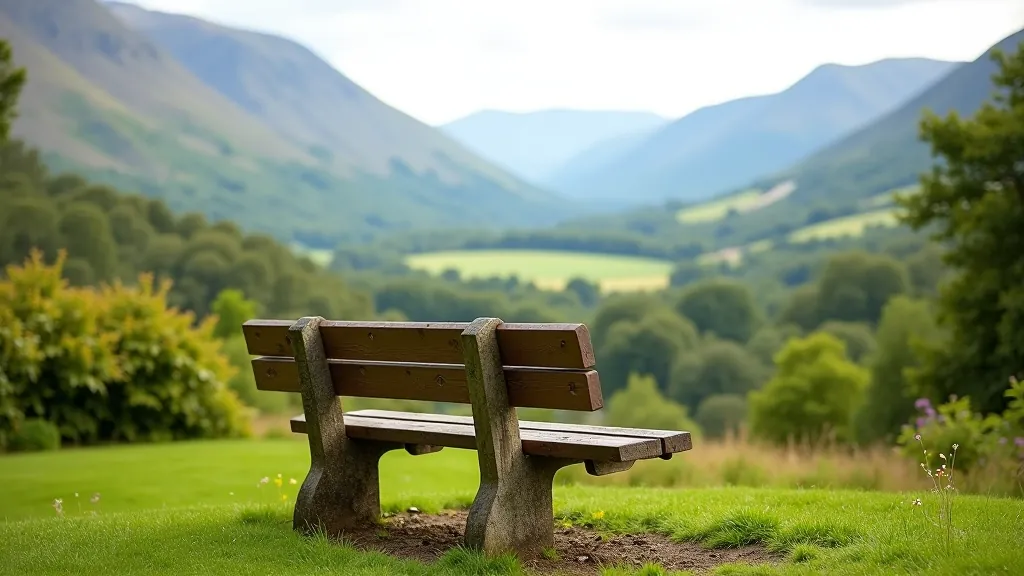
We've identified nine benches positioned throughout the loop. They're placed thoughtfully — some overlook the gardens, others face the estate buildings. A few are tucked into quiet corners if you prefer privacy.
The distance between benches averages 220 metres. That means you're never walking more than 5-10 minutes without reaching a rest point. If you're someone who likes to sit frequently, you could easily break this walk into 8 or 9 shorter segments instead of three longer ones.
Most visitors find that stopping at the Japanese Garden bench (roughly the 1km point) and the Rose Garden seating area (around 1.6km) works well. These spots have the best views and tend to be quieter in the late afternoon.
Architectural Highlights Worth Noticing
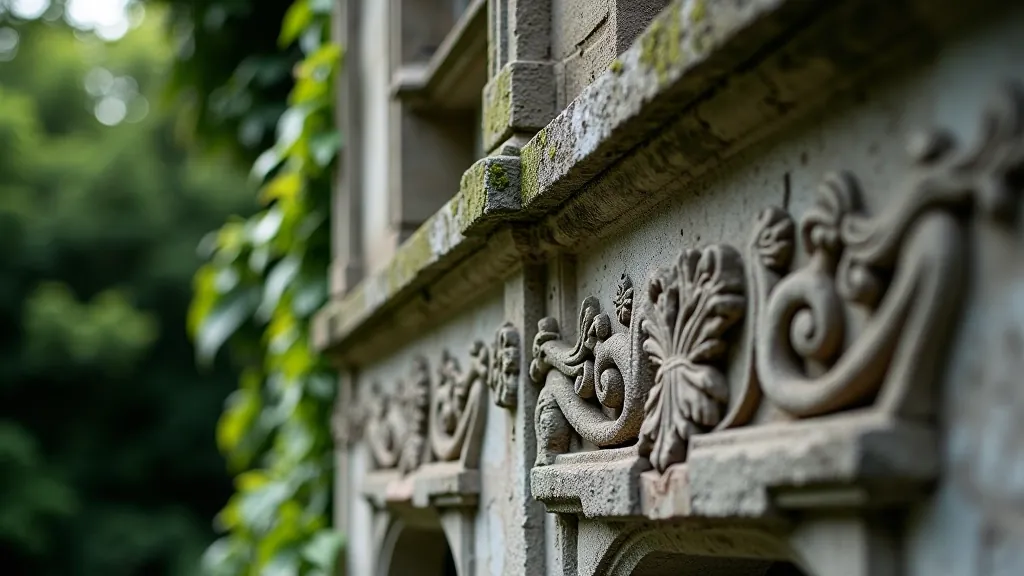
Beyond the plants, you're walking through living history. The estate dates back to 1740, and the garden layout was redesigned in the 1860s. That means you're seeing Victorian-era design principles still working beautifully today.
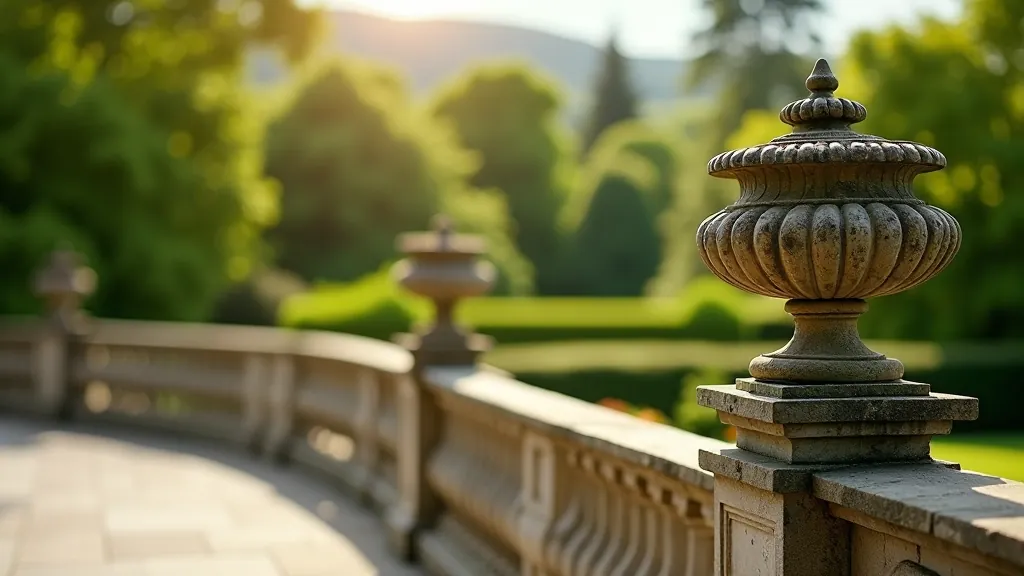
The stone balustrades weren't just decorative — they were functional terracing for earlier gardens. The tall hedges you see now were planted to create shelter and privacy for the Victorian family. The small classical temple near the Rose Garden is an original feature from the 1860s redesign.
Pro Tip
Ask one of the garden staff about the stone carving near the Italian Garden terrace. It's got initials and a date carved into it — over 150 years old and still perfectly legible.
Practical Information for Your Visit
Walking Time
90 minutes at a leisurely pace. Go slower if you'd like — there's no time limit. The route loops back to the starting point, so you can exit at any major junction.
Surface
Mostly stone paving and compacted gravel. No loose surfaces. Suitable for standard walking shoes — you don't need hiking boots. Wheelchair-accessible for most of the route, with two steeper sections that require assistance.
Best Times
Late afternoon (after 3pm) is quieter. Spring and early summer offer the most flowering plants. Autumn colours are stunning. Even winter's worth visiting — the bare bones of the garden design really show through.
What to Bring
Water bottle (you'll want it). Hat for sunny days. Camera if you'd like to photograph details. The estate café is near the main entrance, open until 5pm most days.
Making the Most of Your Time
The Garden Terrace Loop works because it doesn't ask you to do anything you're not comfortable with. You're not climbing mountains. You're not rushing between checkpoints. You're simply walking through a beautiful, thoughtfully designed space at whatever pace suits you that day.
Many visitors we've spoken to tell us they've done this loop a dozen times or more. That's not because they're seeing something different each visit — it's because they're seeing something they didn't notice before. That carved stone. The way the light hits the Japanese Garden bridge at 4pm. The quiet bench where nobody else ever seems to sit.
Bring someone if you'd like company. Come alone if you want quiet time. Stay for an hour or three. That's what makes this walk so special for people who value comfort and personal pace. You're in control of the experience.

Related Walks at Powerscourt
Important Information
The information in this guide is provided for educational and informational purposes. While we've made every effort to ensure accuracy, walking conditions, route access, and facility availability can change. Always check current conditions with the estate before your visit. If you have mobility concerns or health conditions that might be affected by walking, consult with a healthcare professional before undertaking any walking route. Weather conditions in Ireland can change rapidly — bring appropriate clothing regardless of the forecast.