
varigiving Logo varigiving Contact Us
Contact Us

Mountain Ridge Walk: Challenge Route

A 9km challenge with rewarding views. We've mapped every section and flagged the steep bits.

15 min read Advanced May 2026
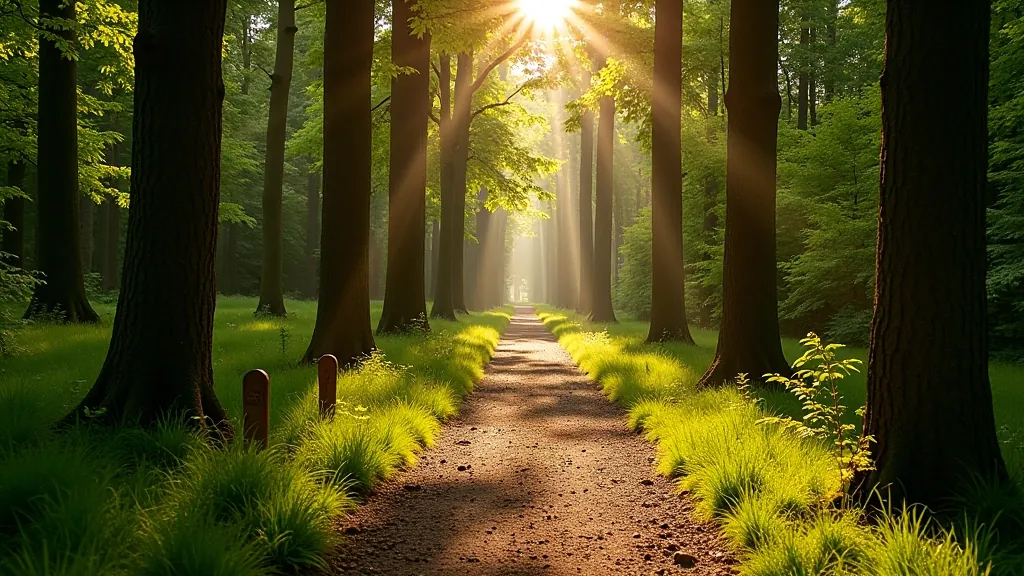
Forest hiking trail with tall trees, dappled sunlight filtering through canopy, winding path stretching into dense woodland

What You're Getting Into

This isn't a stroll. The Mountain Ridge Walk covers 9 kilometers with 280 meters of elevation gain. You'll climb steadily for the first 4km, then traverse the ridge with sections that demand proper footwork and focus. That said, it's absolutely doable if you're fit and experienced. We've walked it with people in their 70s who train regularly.

The payoff? Panoramic views across the estate that you simply can't get from lower trails. On clear days you'll see across the valley and toward the distant mountains. The final descent is steep but well-defined, and you'll finish with that genuine sense of accomplishment.

9 km

Total Distance

3–4 hrs

Typical Duration

280 m

Elevation Gain

●●●

Difficulty

Breaking Down the Route

The walk breaks into three distinct phases, each with its own character and challenge level.

Phase 1: The Ascent (0–4km)

You'll start from the lower parking area and follow the main trail as it curves upward through mixed woodland. The path is well-maintained here but steep—expect a consistent gradient of about 7%. There's a bench at the 2km mark (a good checkpoint) where the woodland thins slightly. By 3.5km you'll emerge onto the open ridge, and the views start appearing. Don't rush this section. It's where most walkers feel the effort.

Phase 2: The Ridge (4–7km)

Once you're on the ridge itself, the walking becomes more technical. The path narrows in places and you'll need to watch your footing—loose stones and occasional muddy patches are common. The ridge offers views on both sides, which is spectacular but can feel exposed on windy days. There's a natural shelter (more of a wind break) around the 5.5km mark if you need a rest. Most people take 5–10 minutes here.

Phase 3: The Descent (7–9km)

The final stretch is steep and rocky. Your knees will feel this one. The path is clear but unforgiving—take it slowly and use your legs, not your momentum. We'd recommend poles here if you have them. The descent takes most people 45–60 minutes. You'll exit back through the lower woodland section and finish near the car park.

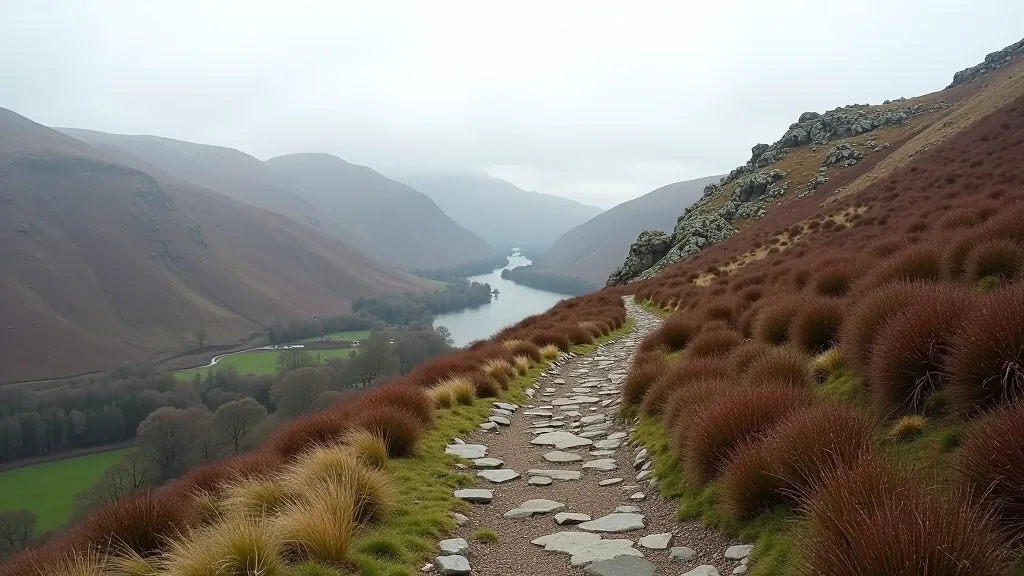
Mountain ridge landscape with rocky terrain, sparse vegetation, panoramic valley views stretching to distant hills, clear hiking path visible along ridge line
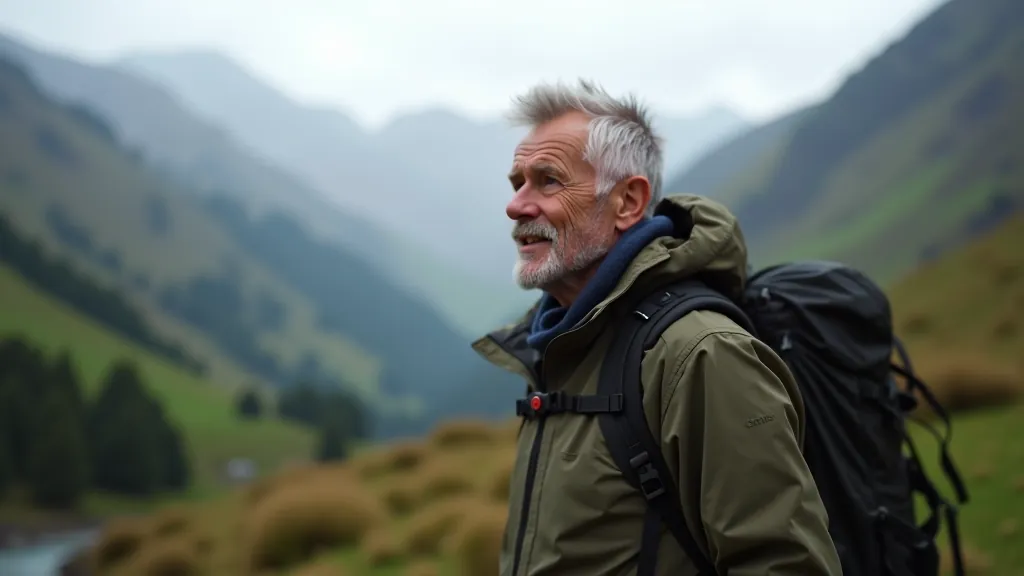
Hiker with backpack hiking on mountain trail, upper body visible, mountain landscape background, outdoor adventure photography, natural daylight

Conditions & What to Watch For

Weather changes quickly at elevation. What starts as pleasant at the base can become windy and cold on the ridge. It's not unusual to be wearing a t-shirt in the woodland and needing a windproof jacket 45 minutes later.

Winter & Early Spring

Ice on the descent is genuinely dangerous. We don't recommend this route December through February unless you're experienced with traction devices. Even in March, check conditions before you go.

Summer & Autumn

Your best windows. Early morning starts mean you'll avoid afternoon crowds and have better visibility. The ridge can be muddy after rain—nothing dangerous, just slower going.

Wind

The ridge is exposed. Gusts over 40kph make the narrow sections genuinely tricky. Check the forecast. If it's looking gusty, consider a different route.

Visibility

Fog rolls in quickly here. If visibility drops below 50 meters on the ridge, the path becomes harder to follow. We've seen experienced walkers lose the trail in heavy mist. If conditions deteriorate, you can turn back.

How to Prepare

You shouldn't tackle this route on a whim. A few weeks of training beforehand makes a genuine difference.

1

Build Your Leg Strength

Do hills or stairs 2–3 times a week for 4–6 weeks beforehand. Squats and lunges help too. You're not training for a marathon—just enough so the ascent doesn't leave you gasping.

2

Practice with Loaded Backpack

Do a few training walks with a 5–7kg backpack. It feels different than walking unloaded. You'll discover which straps chafe and whether you actually need all that stuff you're bringing.

3

Do an Easy Ridge Walk First

There are gentler ridge routes in the area. Do one of those first so your body knows what ridge walking feels like. It's different from forest trail walking—narrower path, more exposed feeling, different foot placement.

4

Get Proper Footwear

Trail shoes with good ankle support and grip are non-negotiable. Not trainers. Not road shoes. Actual hiking footwear with decent tread. Test them on training walks so they're properly broken in.

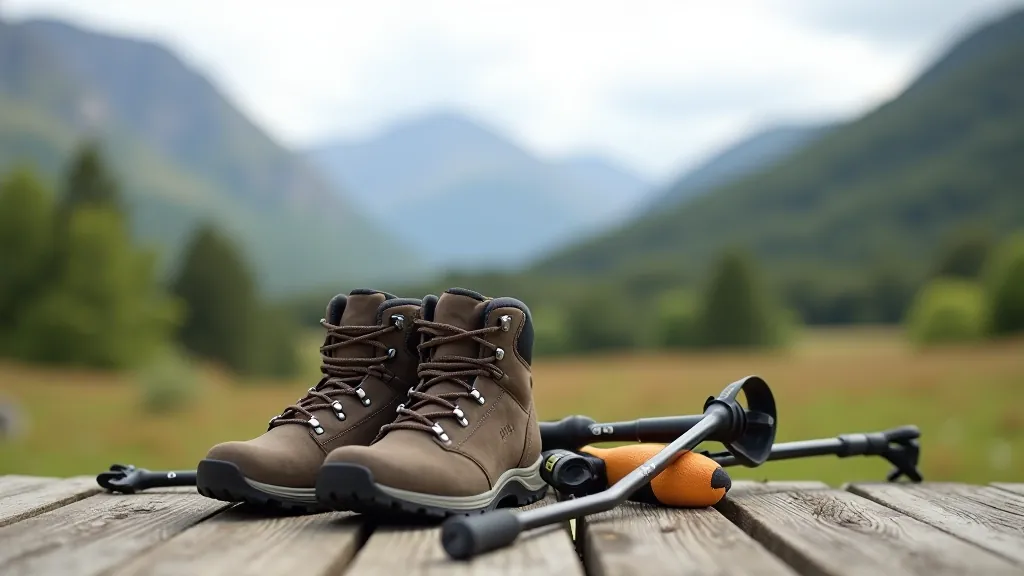
Hiking boots and trekking poles arranged on outdoor wooden surface with mountains blurred in background, outdoor gear photography

What to Pack

You're carrying this for 3–4 hours. Every gram matters. Here's what actually goes in the pack.

Navigation & Safety

  • Offline map or GPS device (phone signal is patchy)
  • Whistle and small first aid kit
  • ID and emergency contact details

Weather & Comfort

  • Windproof jacket (non-negotiable)
  • Hat and sunscreen
  • Merino wool layers, not cotton

Fuel & Hydration

  • 1.5–2 liters of water
  • High-energy snacks (trail mix, energy bars)
  • Electrolyte drink if it's hot

Tools & Extras

  • Trekking poles (they really help on descent)
  • Small knife or multi-tool
  • Spare socks and blister treatment

Tips from Experience

"Don't rush the ascent. The ridge will still be there in an hour. People who sprint up the first 4km often struggle on the ridge itself. Steady wins here."

Start Early

You'll want 5–6 hours minimum of daylight. Starting at 8am means you're down by 2–3pm with good light. Afternoon starts leave you descending in poor visibility, which isn't fun.

Use Trekking Poles

They're not just for show. Poles reduce impact on knees by about 25% on descent. They also help balance on rocky sections. Rent them if you don't own them—your knees will thank you.

Take the Ridge Slowly

This isn't the place for a power walk. The narrow sections demand focus. It's fine to stop and admire views. You're here for the experience, not a time trial.

Know When to Turn Back

If visibility drops badly, if wind is genuinely dangerous, or if you're simply running out of energy—turn back. There's no shame. The ridge will be there another day when conditions are better.

Síle O'Sullivan

Síle O'Sullivan

Senior Outdoor Activities Correspondent

Walking guide and outdoor accessibility specialist with 14 years' experience helping seniors explore Ireland's estates, gardens, and natural trails.